Kylaro: Your Guide to Holistic Well-being and Personal Growth
Exploring daily routines, mindfulness, and self-development strategies for a balanced life
Unpacking Essential Well-being Concepts
Understanding the fundamental principles of holistic well-being provides a foundation for personal growth and a more balanced lifestyle. These concepts form the cornerstone of sustainable habits and meaningful change.
- Mindfulness & Presence
- Effective Stress Management
- Nourishing Daily Habits
- Continuous Self-Development
- Quality Sleep Essentials
- Physical Activity & Vitality
The Pillars of a Balanced Lifestyle
Physical Health
Understanding movement, nutrition, and the role of physical activity in maintaining energy and vitality throughout daily life.
Learn MoreMental Clarity
Exploring techniques for focus, cognitive wellness, and the relationship between mindfulness and mental resilience.
Learn MorePersonal Fulfillment
Discovering the paths to meaningful growth, self-discovery, and the integration of values into everyday routines.
Learn MoreNavigating Personal Growth - A Roadmap
Setting Intentions
The first step in personal growth begins with clarity about what matters to you and defining meaningful goals that align with your values.
Embracing Challenges
Growth emerges from stepping outside comfort zones and viewing obstacles as opportunities for learning and development.
Cultivating Resilience
Building the mental and emotional strength to navigate setbacks, adapt to change, and maintain forward momentum.
Celebrating Progress
Recognizing achievements, no matter how small, and acknowledging the continuous nature of personal development.
Advantages of an Integrated Approach
Enhanced Focus
When physical and mental wellness practices work in harmony, concentration and productivity naturally improve.
Improved Mood
Balanced routines and mindfulness create emotional stability and a more optimistic outlook on daily life.
Greater Resilience
A holistic approach builds the capacity to handle stress and adapt to life's inevitable changes.
Sustainable Habits
Integrated practices create lasting change that feels natural and maintainable rather than forced or temporary.
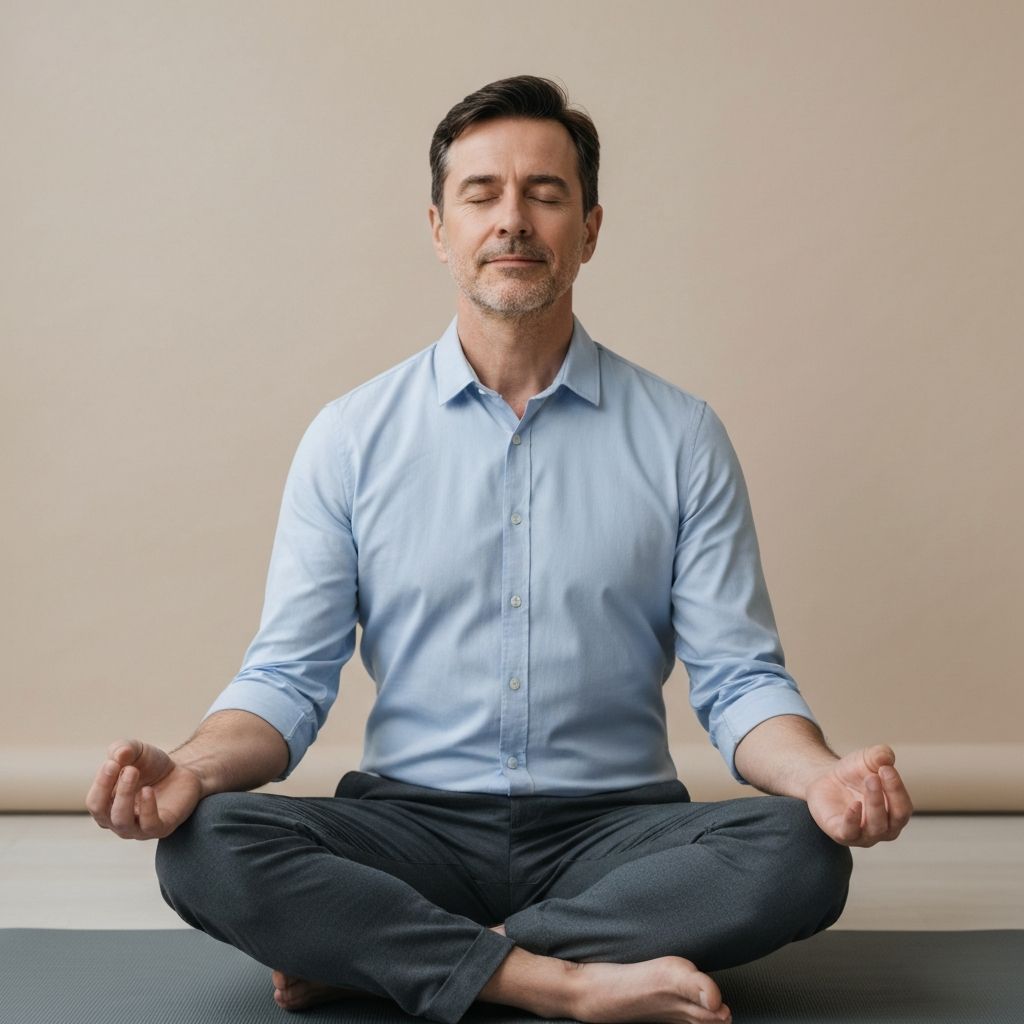
Exploring Daily Routines: A Comparative Look
| Routine Type | Focus Areas | Common Activities | Potential Benefits |
|---|---|---|---|
| Morning Routine | Clarity, Energy, Intention | Meditation, Hydration, Movement | Improved focus, Positive mindset |
| Evening Ritual | Relaxation, Reflection, Rest | Reading, Journaling, Stretching | Better sleep, Mental clarity |
| Midday Practice | Energy Renewal, Stress Relief | Brief walks, Breathing exercises | Sustained energy, Reduced tension |
| Weekly Reset | Planning, Progress Review | Goal setting, Reflection | Direction, Motivation |
Deep Dive into Mindfulness Techniques
Exploring Mindfulness
Mindfulness involves bringing full attention and awareness to the present moment without judgment. It is a practice that can be integrated into daily activities and has been recognized across cultures for centuries as a path to greater clarity and peace.
A foundational technique that involves focusing attention on the natural rhythm of breathing. This practice helps anchor awareness to the present moment and can be practiced anywhere, making it accessible for daily integration.
A systematic practice of bringing attention through different parts of the body, from head to toe. This technique promotes relaxation, builds body awareness, and helps identify areas of tension.
Combining movement with awareness, mindful walking involves paying close attention to the physical sensations of each step and the surrounding environment, turning a simple activity into a meditative practice.
A practice of observing thoughts and sensations without trying to change them. This builds the skill of mental awareness and helps create distance from reactive patterns.
The Role of Hydration and Nutrition in Energy
Water Intake Guidelines
Proper hydration supports cognitive function, physical performance, and overall vitality. Daily water intake varies based on individual factors and activity levels.
Balanced Diet Principles
A varied diet containing whole foods supports sustained energy, mental clarity, and overall well-being through proper nutrition.
Energy-Boosting Foods
Understanding which foods support sustained energy helps create habits that maintain vitality throughout the day.
Frequently Asked Questions
Holistic well-being refers to a balanced approach to health and life that considers physical, mental, emotional, and spiritual aspects. It emphasizes the interconnectedness of these dimensions and how they influence overall quality of life.
Consistent daily routines create stability and provide opportunities for deliberate practice. They help build habits, establish structure, and create moments for reflection and intentional development.
Yes, mindfulness is a skill that can be developed by anyone, regardless of background or experience. It requires no special equipment and can be adapted to individual preferences and lifestyle.
Personal growth is an ongoing process without a fixed timeline. Change can be gradual or sudden depending on individual circumstances. The focus is on consistent practice and intentional effort rather than reaching a specific endpoint.
Missing a routine occasionally is normal and natural. The key is to maintain perspective, avoid self-judgment, and simply resume your routine the next day. Consistency over time is more important than perfection.
Absolutely. Well-being is deeply personal, and what works for one person may differ for another. Different cultures, traditions, and individuals have developed various approaches and practices that align with their values and circumstances.
Ready to Explore Further?
Discover deeper insights into well-being practices, personal development strategies, and practical guidance for integrating these concepts into your daily life.
Dive Deeper into Our Blog Explore ConceptsEducational Content Only. No Promises of Outcomes.
The content on Kylaro is purely for informational purposes, offering general knowledge and context on well-being and personal development. It does not provide individualized recommendations, professional advice, or endorse specific solutions. We acknowledge the diversity of approaches and individual needs in everyday life. This information is not a substitute for personal decisions or professional consultation.